
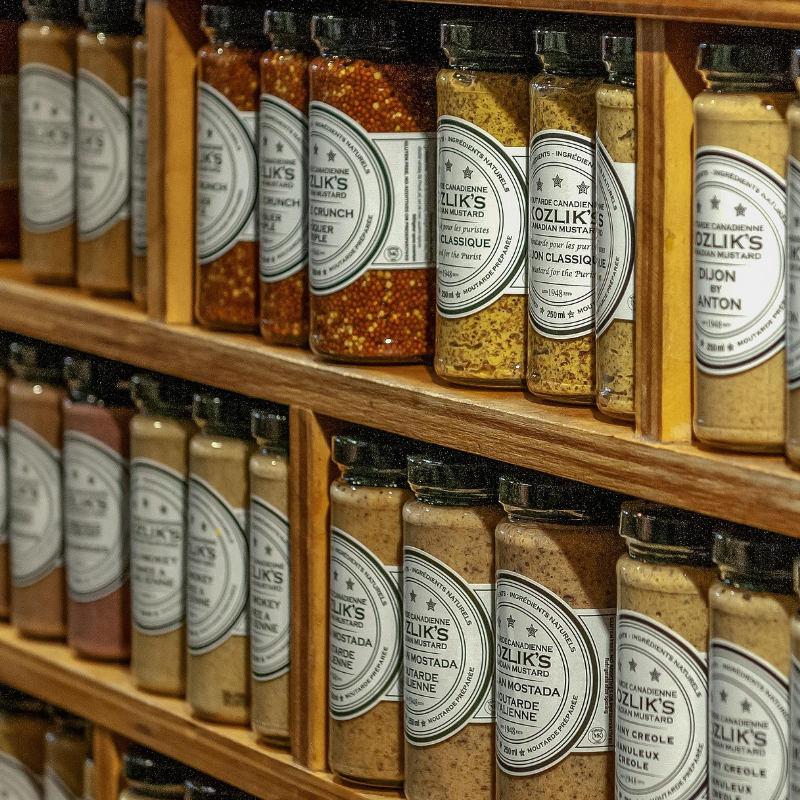
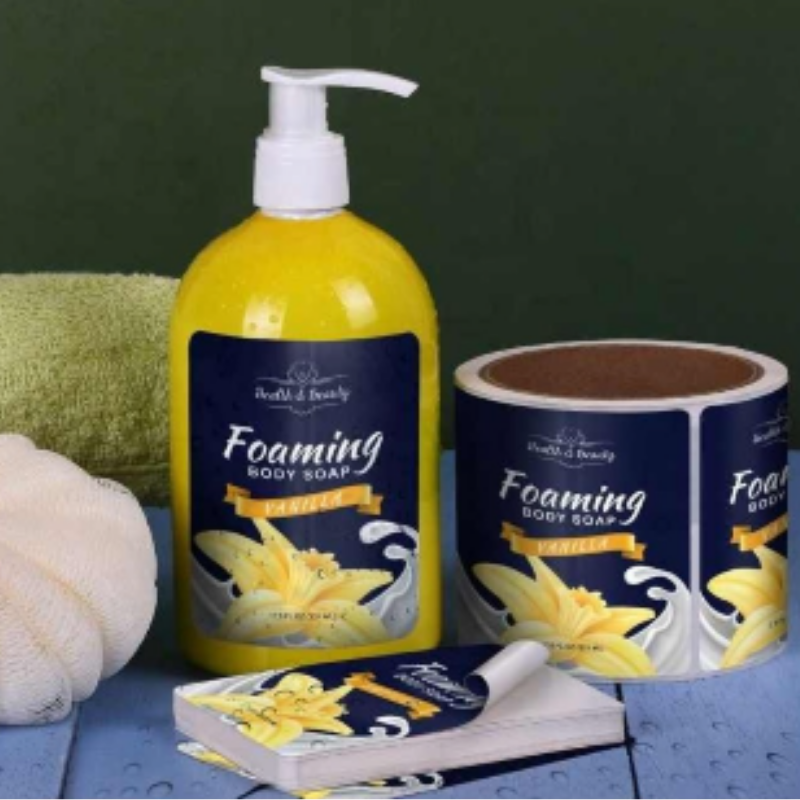
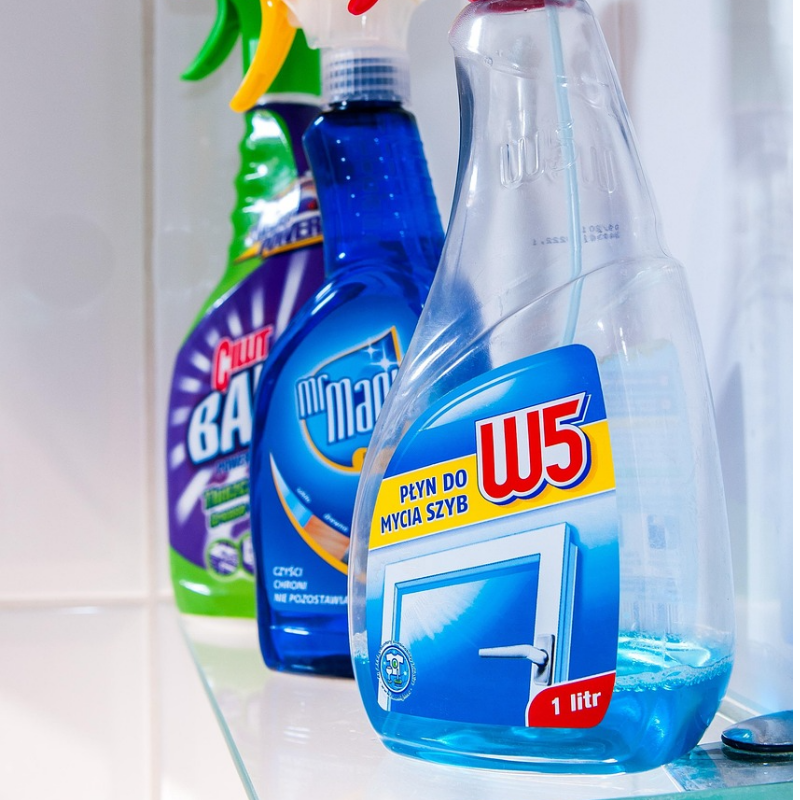
Walk into any supermarket and you’ll notice something immediately; some products grab your attention, while others are completely ignored.
In most cases, it’s not the product quality causing this difference. It’s the label.
For manufacturers, product labels are more than just identification. They act as a silent salesperson, influencing whether a customer picks your product or chooses a competitor.
If your product isn’t getting the attention or sales you expect, your label could be the reason.
1. First Impressions Drive Purchase Decisions
Customers make split-second decisions when scanning shelves. Your label is often the very first interaction they have with your product.
A strong label:
- Captures attention instantly
- Communicates value clearly
- Encourages the customer to pick up the product
A weak label:
- Gets overlooked
- Feels untrustworthy
- Reduces the chances of purchase
If your product doesn’t stand out within seconds, you’re losing potential buyers before they even consider what’s inside.
2. Labels Build Trust and Credibility
Before buying, customers subconsciously ask:
- Is this product safe?
- Who made it?
- Can I trust this brand?
Your label answers these questions.
Clear, well-printed, and professional labels build confidence. Poorly designed or low-quality labels create doubt—even when the product itself is excellent.
This is especially critical in industries like food, cosmetics, and health-related products, where trust directly affects sales.
3. Packaging Influences Perceived Value
Your label directly impacts how customers perceive your product’s worth.
Two similar products can sit side by side—but the one with better labeling will often:
- Look more premium
- Be trusted more
- Sell faster
Even more interesting, customers are often willing to pay more for products that look better packaged.
Your label isn’t just decoration—it’s a key driver of perceived value.
4. Clarity Improves Buying Confidence
Customers don’t want to struggle to understand a product.
Your label should clearly communicate:
- What the product is
- Key benefits
- Important details like ingredients or usage
If your label is cluttered, hard to read, or confusing, customers may move on to a competitor with clearer packaging.
Simplicity and clarity make buying easier—and faster.
5. Durability Affects Brand Perception
A label that peels, fades, or gets damaged doesn’t just look bad—it reflects poorly on your entire brand.
This is a common issue for:
- Refrigerated products
- Beverage bottles
- Cosmetic containers
- Industrial products
Customers associate damaged packaging with low quality, even if the product itself is good.
That’s why labels must be built for real-world conditions—water, oil, handling, and storage.
6. Shelf Visibility Creates Competitive Advantage
In a crowded retail environment, your product is competing with many others.
Your label needs to:
- Stand out visually
- Be easy to read from a distance
- Communicate quickly
If customers don’t notice your product, they won’t buy it.
Strong labels help you win attention—and attention leads to sales.
7. Labels Strengthen Brand Identity
Over time, consistent labeling helps customers recognize your product instantly.
Think about it—many people pick products based on familiarity, not just information.
A well-designed label helps you:
- Build brand recognition
- Create consistency across products
- Stand out from competitors
Your label becomes part of your brand story.
8. Compliance Is Non-Negotiable
For manufacturers, labels must meet regulatory requirements.
This includes:
- Ingredients
- Expiry dates
- Manufacturer details
- Safety information
Failure to comply can lead to:
- Product rejection
- Loss of customer trust
- Regulatory issues
A good label balances both design and compliance.
What This Means for Manufacturers
If your product isn’t performing as expected, the issue may not be the product itself—it could be your packaging.
Investing in the right label can lead to:
- Better visibility on shelves
- Increased customer trust
- Higher perceived value
- More consistent sales
Ready to Improve Your Product Packaging?
Let’s help you create labels that attract attention, build trust, and increase sales.